Beyond the Liquid Limit: The Impact of Solid-State Batteries on EV Range and Capability in 2026

The electric vehicle (EV) industry stands at a technological precipice. For years, the lithium-ion battery—relying on liquid electrolytes—has been the industry standard. However, 2026 marks a pivotal “verification year” where solid-state battery (SSB) technology moves from the confines of the laboratory into the realm of formal national standards and pilot production. This shift represents the most significant architectural change in vehicle energy storage since the dawn of the modern EV.

The Energy Density Leap

The core limitation of current lithium-ion batteries is the liquid electrolyte, which requires structural safeguards and heavy packaging that limit energy density. Solid-state batteries replace this liquid with a solid ceramic, glass, or polymer electrolyte.

This architectural change enables the use of lithium metal anodes, which possess significantly higher energy density than the graphite anodes used in today’s cells. While current high-end lithium-ion batteries hover around 250–300 Wh/kg, solid-state pilot cells are already demonstrating 400–500+ Wh/kg … READ MORE >>>

The Cognitive Cockpit: Integrating Generative AI into Software-Defined Vehicle Architectures

The automotive cockpit is undergoing a fundamental transformation. As the industry transitions from legacy, domain-based electronic control unit (ECU) architectures to centralized, software-defined vehicle (SDV) foundations, the car is evolving from a programmable machine into an intelligent, learning system. At the heart of this shift is the “Cognitive Cockpit”—an environment where Generative AI (GenAI) moves beyond simple voice commands to become an adaptive, context-aware companion.

This evolution is not merely a feature update; it is an architectural revolution that redefines how vehicles process data, interact with occupants, and evolve over their multi-year lifecycles.

The Architectural Shift: Centralized Compute

The transition to SDVs is anchored by High-Performance Compute (HPC) platforms—centralized units that consolidate infotainment, ADAS, and vehicle control functions. Traditional architectures, constrained by slow CAN/LIN bus communication and siloed ECUs, could never support the high-bandwidth, low-latency requirements of modern GenAI.

Today’s HPC platforms—such as those from NVIDIA and Qualcomm—provide the specialized … READ MORE >>>

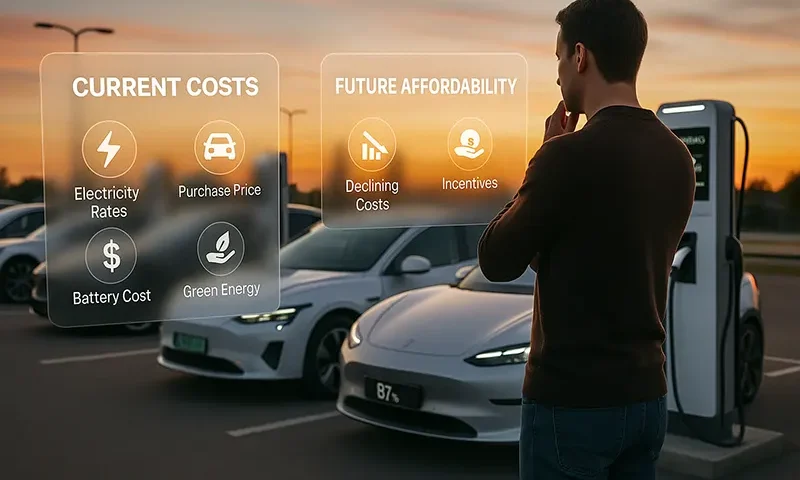
The Crossroads of EV Adoption: Market Reality and the Future of Affordability

The shift toward electric vehicles (EVs) is a story of explosive growth, followed by a recent market stabilization that some prematurely call a “slowdown.” While global sales continue to climb, the industry is currently stalled at a crucial juncture: EVs are still largely a luxury for early adopters, and they must become a mass-market reality. The inevitable transition to an electrified future hinges on solving the “three A’s”: Affordability, Accessibility (Charging), and Awareness.

The thesis is clear: the EV industry must accelerate its work on the fundamentals to move beyond its current luxury segment and into the heart of the consumer market.

Barrier 1: The Cost of Entry

The primary roadblock to mass adoption remains the high sticker price. An EV still costs significantly more upfront than an equivalent gasoline-powered car, and the villain of this story is the battery. The lithium-ion battery pack represents the … READ MORE >>>

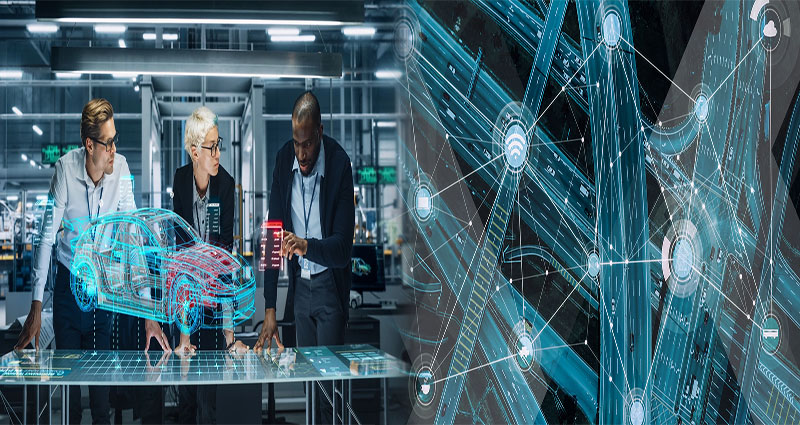
Future Trends in Connected Car Technology and IoT

The automotive industry is undergoing a rapid transformation driven by advancements in technology, particularly in the realm of connected car technology and the Internet of Things (IoT). The integration of IoT capabilities in vehicles is revolutionizing the driving experience, safety features, and overall connectivity on the road. Here are some of the key future trends in connected car technology and IoT that are shaping the future of transportation:

1. Vehicle-to-Everything (V2X) Communication

Vehicle-to-Everything (V2X) communication is set to become a game-changer in connected car technology. This system enables vehicles to communicate with each other, as well as with infrastructure, pedestrians, and other devices on the road. V2X technology enhances safety, traffic management, and overall driving efficiency by providing real-time information and alerts to drivers.

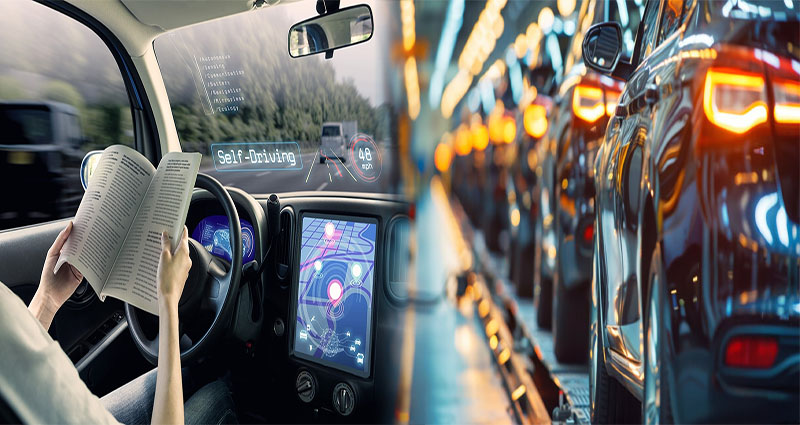
2. Autonomous and Semi-Autonomous Driving

Autonomous driving features, such as lane-keeping assistance, adaptive cruise control, and self-parking capabilities, are becoming more prevalent in modern vehicles. The … READ MORE >>>

How Consumer Preferences Are Shaping Automotive Industry Trends

In a rapidly changing world, consumer preferences play a significant role in driving trends within the automotive industry. From sustainability and technology to comfort and convenience, automakers are continuously adapting to meet the evolving demands of consumers. In this article, we will explore how consumer preferences are shaping current trends in the automotive industry.

Sustainability and Eco-Friendly Options

Electric Vehicles (EVs): With increasing concerns about climate change and environmental impact, consumers are showing a growing interest in electric vehicles. Automakers are investing heavily in developing EVs with improved range, performance, and charging infrastructure to meet consumer demand for sustainable transportation options.

Hybrid and Plug-In Hybrid Vehicles: Consumers seeking a balance between fuel efficiency and range often turn to hybrid and plug-in hybrid vehicles. Automakers are expanding their lineup of hybrid models to cater to environmentally conscious consumers who want to reduce their carbon footprint without compromising on convenience.

Technology and

… READ MORE >>>